The History of Wilmington, NC: A Coastal City Worth Exploring
There are many beautiful cities along the east coast of the United States. Each one of them has its own feel and charm. There are, however, only three major coastal cities in all of North Carolina, South Carolina, and Georgia. RealLifeLore explains this very well in a video. They explain that these three large states only have Savannah, Charleston, and Wilmington on the coast. The greater Savannah and Wilmington areas have just shy of 500,000 people, where the Charleston metro is just under 900,000. While I haven’t explored Charleston as much as I’d like, all three of these cities share a very similar vibe. They are rich in history and offer a lot in their metro areas, including amazing beaches. For this post, I am going to dive into the history of Wilmington. If you haven’t already, check out why exploring your hometown is real travel, the post that kicked off this whole series.”
We must not cease from exploration. And the end of all our exploring will be to arrive where we began and to know the place for the first time.”
T.S. Eliot, Little Gidding
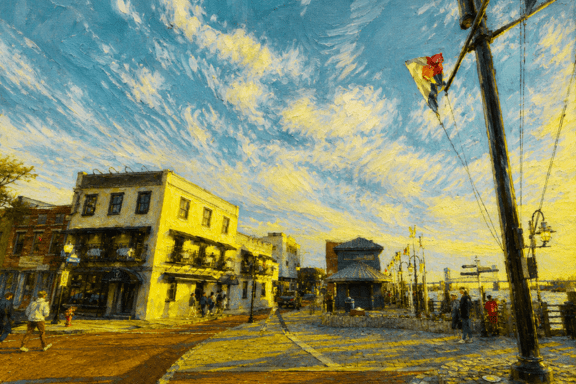
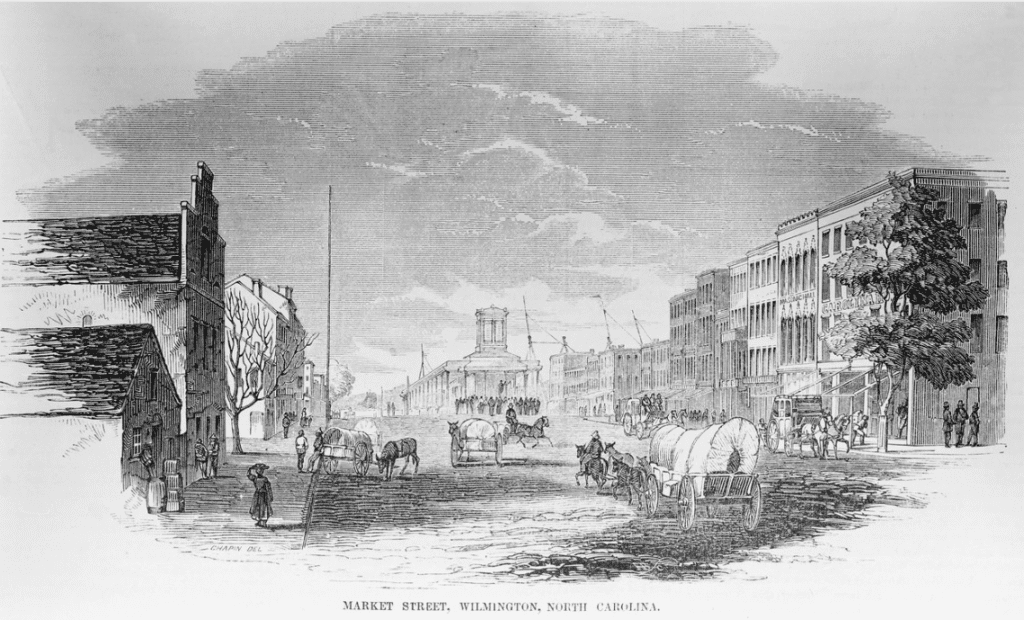
According to Wilmington and Beaches, Wilmington was named after Spencer Compton, Earl of Wilmington. It was formerly known as New Carthage, New Liverpool, and Newton. Wilmington was incorporated in 1739 and stood as the capital of North Carolina. As you walk down Water Street downtown, especially where it meets Market Street, you can feel a sense of that history meeting a modern city. The road is cobblestone with restaurants, pubs, shops, and markets. Being originally from the Northeastern US, the city has a Boston/Portsmouth, New Hampshire feel about it, while at the same time so much of it feels like Savannah. That said, when it boils down to it, Wilmington has completely its own look and feel. The Riverwalk stands out, running almost two miles through downtown. It was voted the third best Riverwalk in the US in 2025 by USA Today.
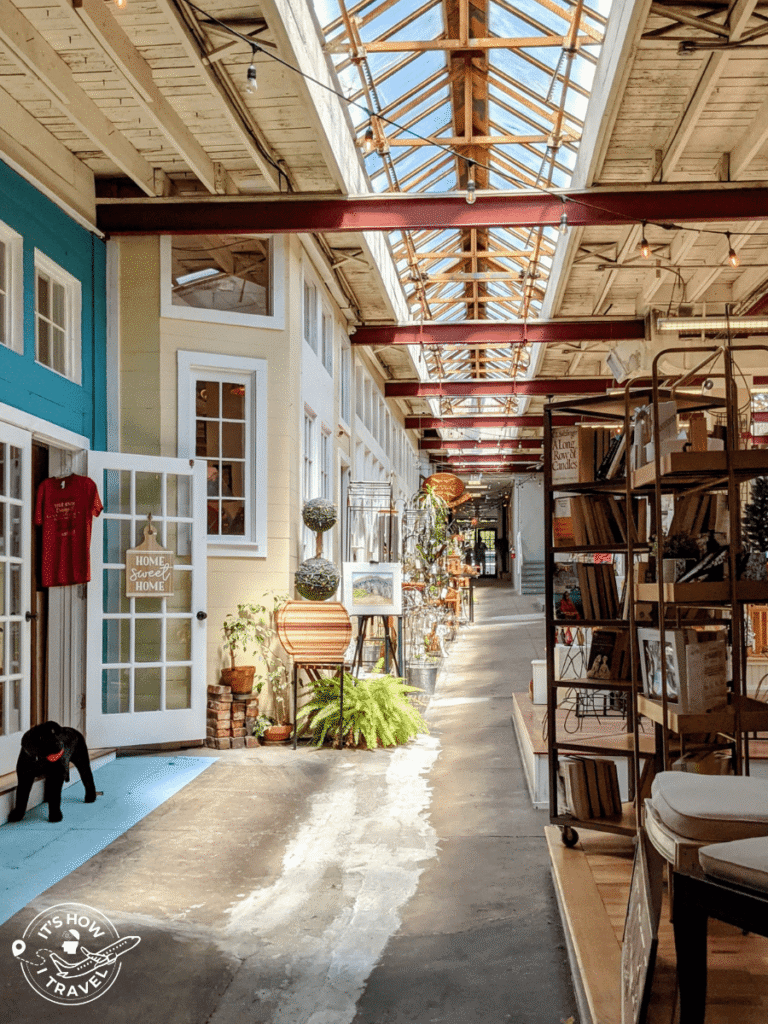
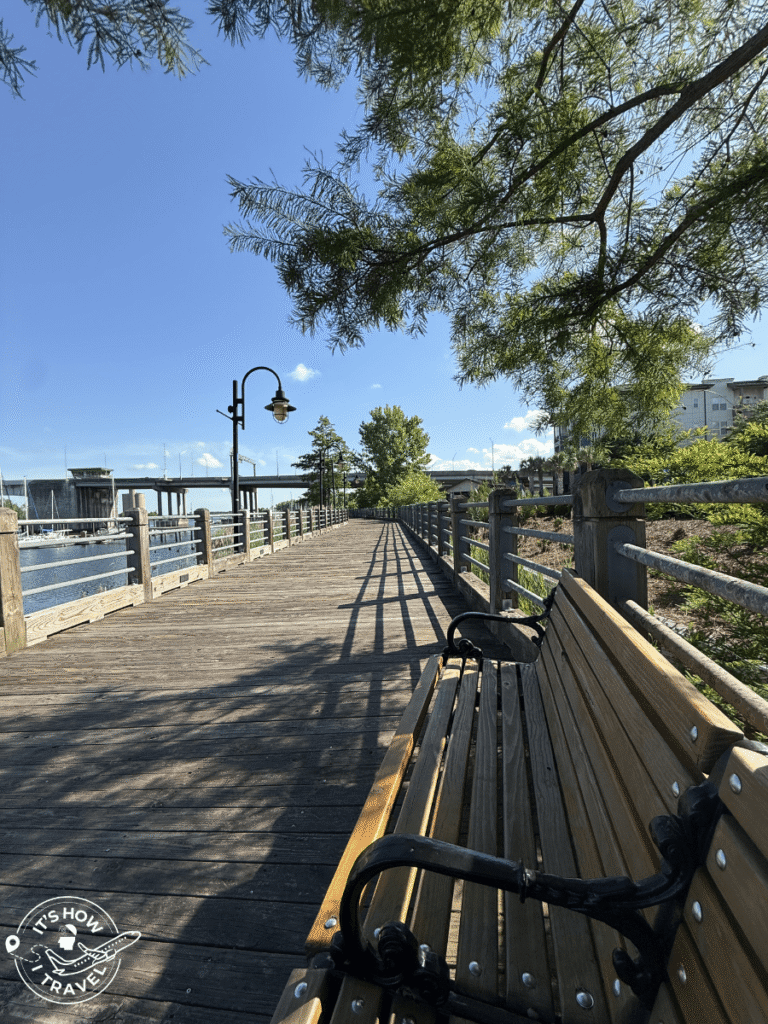
Many buildings downtown have been repurposed over the years. As you head north on the Riverwalk at Market Street, you’ll notice a very large federal building sitting near the water’s edge. It was originally purchased in 1819 for a custom house to collect duties for ships entering or leaving the port, according to GSA.gov.
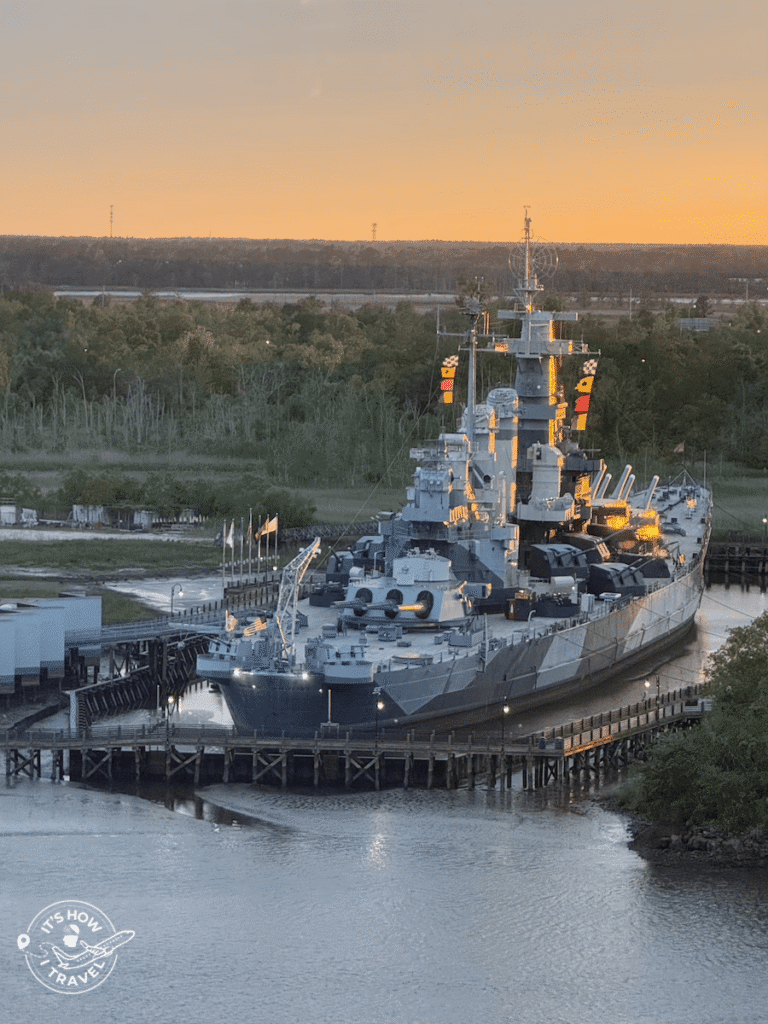
The USS North Carolina has a large presence as it sits across the river looking into the city. According to the US Navy the ship was commissioned in April 1941. In 1961, the North Carolina was transferred to the State of North Carolina to become a memorial and museum in Wilmington, where she remains to this day. Tours are available, and some events are held on the ship.
As you walk up Market Street, you’ll notice a classic grid system, which makes exploring Wilmington easy. You’ll find Front Street next, which is the main heart of downtown along with Water Street. Next is 2nd Street, 3rd Street, and so on. Continuing south down South Front Street, you’ll notice large colonial homes on your right, looking down at the water.
There is a lot more to be told and even more to see. I explored a lot of Wilmington before moving here, but now that I live here, I appreciate it and take pride in it in a very different way. I have watched the city grow over the years to what is now an active, fun, and progressive downtown that is welcoming to everyone.
What is your home like? Have you had an opportunity to really explore it?
Test Your Knowledge
How well were you paying attention? Take this quick quiz to see what stuck. Drop your name and email at the end if you want more travel stories like this one delivered to your inbox.