Mindful Travel

Travel is one of the greatest privileges we have, but it comes with a responsibility. This space is dedicated to honest conversations about the real impact of how we travel, on the people who call these destinations home, on the environment, and on the cultures we pass through. Because the way we travel matters.

  • | |

    The History of Wilmington, NC: A Coastal City Worth Exploring

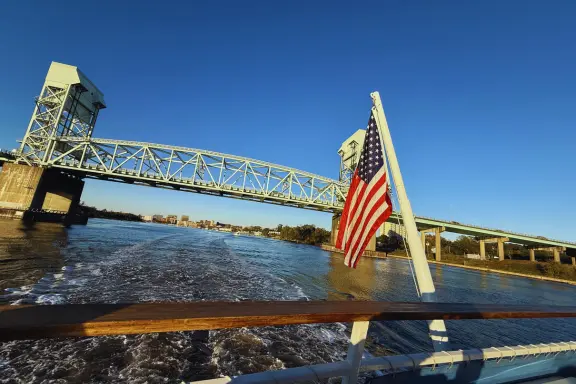
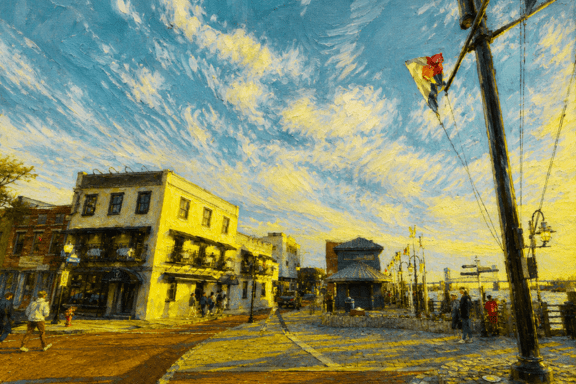
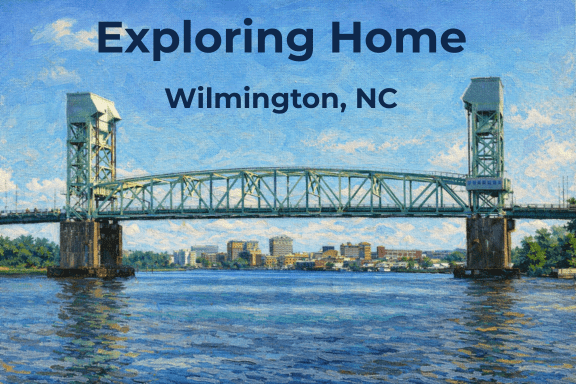
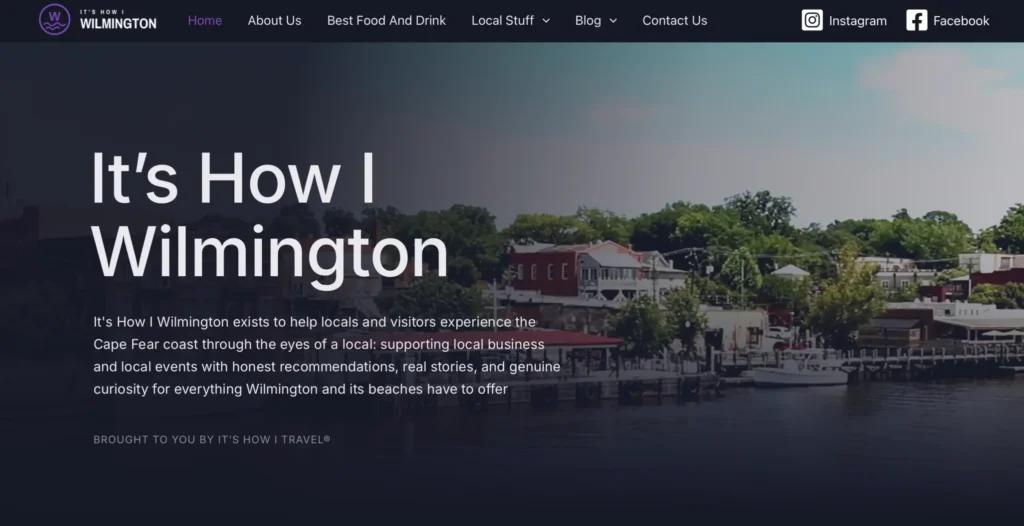
    There are many beautiful cities along the east coast of the United States, but only three major coastal cities sit between North Carolina, South Carolina, and Georgia: Savannah, Charleston, and Wilmington. Each has its own charm, but Wilmington stands apart with its cobblestone streets, colonial architecture, and award-winning Riverwalk. Named after Spencer Compton, Earl of Wilmington, and incorporated in 1739, the city once served as the capital of North Carolina. Today, you can walk past repurposed federal buildings, gaze across the Cape Fear River at the legendary USS North Carolina battleship, and feel the unique blend of Northeastern charm and Southern hospitality. As someone who recently moved here, I have come to appreciate Wilmington in a way I never could as a visitor. This post dives into the history that makes Wilmington one of the most fascinating coastal cities in the South.

  • | |

    Why Exploring Your Hometown Is Real Travel

    I was raised in greater Boston and spent most of my adult life in New Hampshire before making the move to Wilmington, NC. Now when someone asks where I am from, I say Wilmington. Not because I am hiding my roots, but because it is where I feel at home, and I want to share it.
    Travel has always been about learning and growing for me. I have visited all 50 US states, most of Canada, and several countries across Europe and Australia. There is more world to see, but right now I am pausing to take a deeper look at my new home.
    Exploring your hometown, regardless of its size, can be just as meaningful and enlightening as traveling to the other side of the world. This post kicks off a series on Wilmington, the Port City, and what makes North Carolina worth slowing down for.

  • The Dark Side of the Cruise Industry: What Passengers Are Never Told

    Imagine sitting in a peaceful café by large French windows in Amsterdam, watching the city go by. It’s a busy day yet tranquil. A few moments later, the crowds walking past start to grow from hundreds to thousands. They are loud and talking amongst themselves and none of them come into the café. They line up at McDonald’s and pack into the chain restaurant across the way. Suddenly, as fast as they appeared, they are gone, all returning to the massive cruise ship docked at Amsterdam’s port.
    Amsterdam is one of many cities actively pushing back against the cruise industry, and they are not alone. From exploited workers earning less than $2 an hour, to ships that produce more sulfur emissions than a billion cars, to port cities that see little of the money passengers spend, the true cost of cruising is much higher than advertised.

  • |

    HipCamp Review

    HipCamp is our preferred way to camp, glamp, or connect with nature, and it has completely changed the way we approach outdoor stays. If you are familiar with Airbnb, think of it like that but for camping, mostly on private properties with far more privacy and personality than a traditional campground.
    The app is easy to use, the prices are often surprisingly affordable, and the variety of listings is unlike anything else out there. From glamping tents in North Carolina to a tucked-away farm in Vermont, every stay feels unique and intentional. You have direct access to your host, minimal crowds, and experiences you simply cannot find on other booking platforms.
    Whether you are an avid camper or someone who has never pitched a tent in your life, HipCamp has something for you. This is my honest, unsponsored review of the app, how it works, and a few of our favorite places so far.

  • |

    How I Travel – The Meaning Behind It’s How I Travel

    Authentic travel means prioritizing genuine experiences over tourist attractions. Instead of staying at resorts, I choose local neighborhoods. Instead of buffets, I eat at family restaurants. Instead of tour buses, I walk and use public transit. The goal is connection with real places and people, not collecting passport stamps.