Travel with Pride
History and Understanding
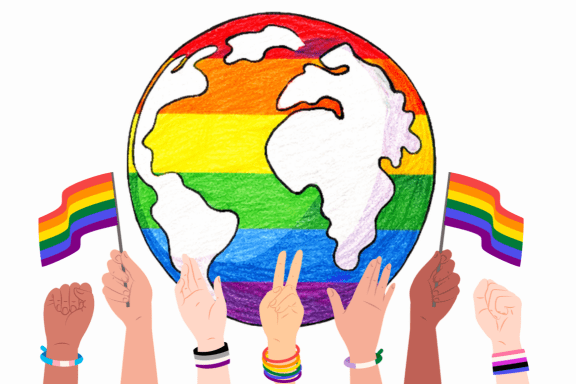
When I ask some people what pride means to them as it relates to the LGBTQ+ community, I get a whirlwind of answers. Everything from something unintended to be homophobic to responses like “a community for gay people.” The actual term PRIDE originally stood for Personal Rights in Defense and Education, according to History.com. The Pride movement has included many different groups, including Black pride and gay pride. The first Pride flag as we know it today was first seen at the Gay Freedom Day Parade on June 25, 1978, and commissioned by Harvey Milk, often considered one of the greatest pioneers of gay rights in history.
So, with all that said, what does PRIDE really mean? I don’t know that any one authority can make the claim they have the ultimate definition. I can tell you, though, what it means to me. It means equality. According to LGBTQIA+ Wiki, “Pride in the context of the LGBTQIA+ community means the promotion of self-affirmation, acceptance, equality, and visibility.” Simply put, it means we all have the right to acceptance and love, period.
As far as being a member of the LGBTQ+ community, I am an ally. I am a supporter of the community and what it stands for. I use he/him pronouns and support those that identify differently. I also support having an open-minded, educated conversation with those that disagree. That is my pride. Peace.
The World Health Assembly stopped classifying homosexuality as a mental disorder in what year? 1956? 1974? 1980? Nope, 1990. You read that right; homosexuality was considered a mental disorder until the 90s. That said, we have come a long way quickly. In 1993, Norway approved a registered partnerships bill that made it the second country in the world, after Denmark in 1989, to provide legal recognition for same-sex couples. Many other positive changes have been made since, with Thailand becoming the first Southeast Asian country to legalize same-sex marriage in 2025. That said, there are still many places on our planet that do not tolerate homosexuality. These include places like Jamaica, where consensual same-sex intimacy between men remains criminalized under colonial-era “buggery” and “gross indecency” laws, which carry penalties of up to 10 years in prison.
Travel with Pride
What does this mean, and what can you do? First, it means not everyone is free, even here in the US. What can you do? You can continue to educate yourself about how to spread equality and love as you travel. That doesn’t mean pushing or forcing your beliefs on another culture. It means understanding different perspectives and treating everyone with love and kindness, even if they don’t always reciprocate. Have an open mind and an open heart. Listen, learn, care, and understand.
This June and always, remember:
None of us are free until all of us are free.
-Fannie Lou Hamer
PRIDE originally stood for Personal Rights in Defense and Education.
The first Pride flag was first seen at the Gay Freedom Day Parade on June 25, 1978, and was commissioned by Harvey Milk.
The World Health Assembly removed homosexuality from its classification as a mental disorder in 1990.
According to the LGBTQIA+ Wiki, Pride means the promotion of self-affirmation, acceptance, equality, and visibility.
Denmark was the first country to provide legal recognition for same-sex couples, passing a registered partnerships bill in 1989.